
Save the Krusty Krab support classes matter because a coordinated four-player crew can process more orders without crowding every station. Dividing grilling, registers, and shared SpongeBob duties creates clear ownership: one player focuses on grill timing, another handles register payments, and the remaining two cover incoming orders and shared SpongeBob tasks. This role splitting prevents repeated task switching and lets the crew respond to bottlenecks as they appear. For example, if the fryer and grill produce ready orders faster than the register player can clear them, moving one worker to the register can reduce the order backlog without abandoning the cooking line.
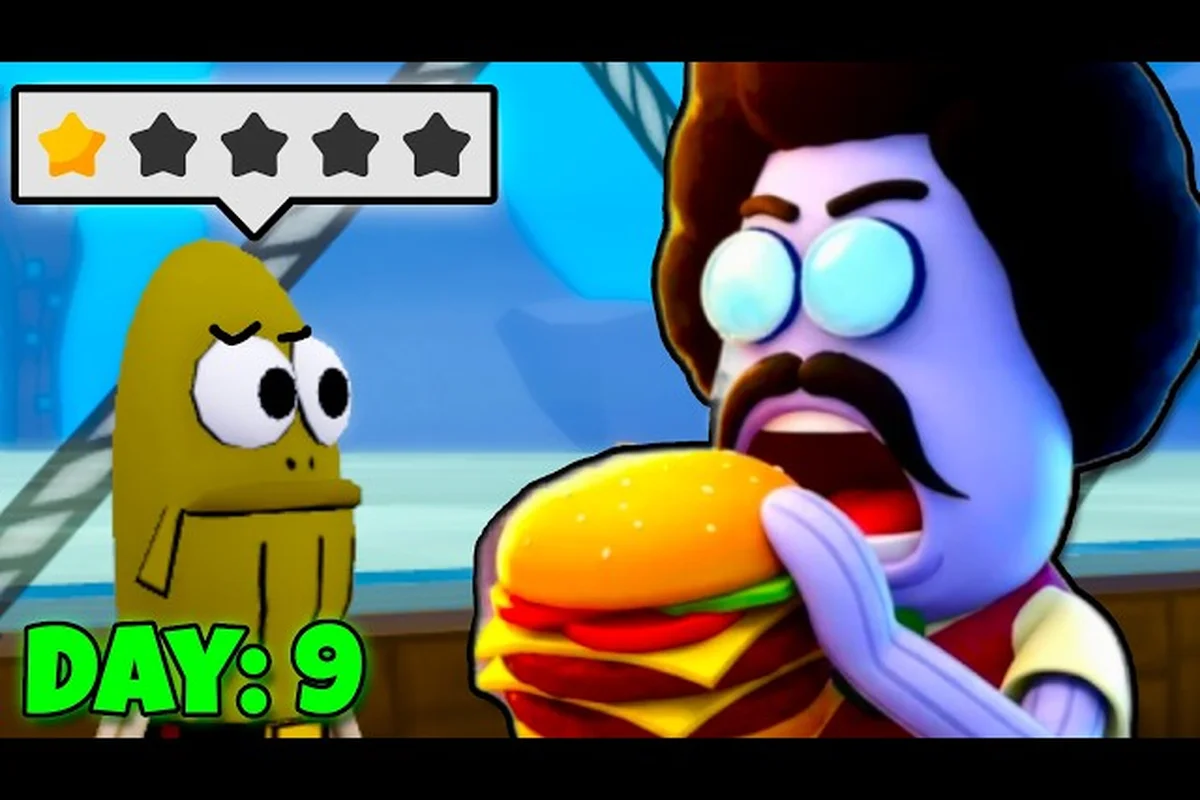
A normal co-op shift in Gravy Live's restaurant rescue gameplay shows how players divide stations; use it to compare your own crew’s role split with the assignments described below.
Support Classes Overview
The strongest multiplayer setup is not four players standing beside one another; it is four players covering different points in the order pipeline. Good Save the Krusty Krab support classes give each crew member a clear responsibility while leaving room for two SpongeBob players to share the heaviest workload.
Before starting, agree on three things: who handles the grill, who owns the registers, and who resolves interruptions. The remaining player can focus on assembly, customer flow, and cleanup. That arrangement creates Save the Krusty Krab class synergy without requiring every player to master every station.
| Crew slot | Main responsibility | Secondary duty | Failure risk |
|---|---|---|---|
| Player 1: Grill lead | Cook and stage items | Monitor item readiness | Burnt or late orders |
| Player 2: Register lead | Take payments and manage change | Call out order totals | Slow customer flow |
| Player 3: Flow support | Assemble orders and direct customers | Clear tables and routes | Bottlenecks near service |
| Player 4: Flex support | Cover registers, assembly, or cleanup | Handle urgent gaps | Overlapping station work |
Community field notes indicate that public-server coordination usually depends on in-game chat and signals because the game does not include a built-in role-assignment system. Agreeing on stations before the first rush is therefore more reliable than improvising after orders begin stacking up. Players comparing every playable option can use the Save the Krusty Krab all classes list to understand which character abilities fit these crew slots.
The main goal is to avoid duplicating work. One player should not remake an item another player is already carrying, and two cashiers should not wait beside each other while the grill falls behind. Each role needs a trigger that tells the crew when help is required and when a handoff is complete.
Role Splitting and Class Synergy
Save the Krusty Krab role splitting works best when every responsibility has one owner and one backup. The owner makes routine decisions without asking for permission, while the backup watches for overload rather than occupying the same station. This distinction matters because constant task switching can leave all four players waiting at the wrong moment.
| Workload | Primary role | Backup role | Handoff signal |
|---|---|---|---|
| Cooking | Grill lead | Second SpongeBob | Call out when the grill is crowded |
| Payment | Register lead | Flow support | Signal when a customer waits to pay |
| Assembly | Flow support | Grill lead | State which order is ready to build |
| Cleanup | Flex support | Register lead | Mark a table as ready for cleaning |
| Rush control | Flex support | Any player | Announce the next bottleneck |
A good role split also accounts for personalities. A methodical player can maintain register order while a faster player handles movement between the grill and assembly. If one crew member prefers cooking, assign Grill Lead rather than treating the position as a punishment. The Save the Krusty Krab support class guide can help translate character strengths into practical station duties.
Matching Characters to Responsibilities
Support classes are most effective when the character’s natural strengths match a bottleneck. A strong assistant who can handle several nearby tasks should become the flex anchor, while a more specialized player should protect a busy station. The objective is not a universal ranking because class strength can change with the order mix and the rest of the crew.
| Crew need | Preferred pairing | Backup pairing | Practical reason |
|---|---|---|---|
| Fast food production | SpongeBob and SpongeBob | SpongeBob and Patrick | Two SpongeBob players can keep a shared grill active |
| Reliable payment handling | Mr. Krabs and flow support | Mr. Krabs and Patrick | Cash duties stay covered while another player moves orders |
| Order direction | Squidward and SpongeBob | Squidward and flex player | One player communicates while another keeps cooking |
| Coverage during rushes | Patrick and flex player | Any two mixed roles | Rapid movement helps cover changing bottlenecks |
The Save the Krusty Krab double SpongeBob strategy is a natural fit for the cooking side of a four-player crew. Two SpongeBob players can divide the grill into a preparation half and a pickup half, then hand finished items directly to the assembly player. This is more useful than having both players watch the entire grill and duplicate each movement.
Double SpongeBob does not mean both players should handle registers. For Save the Krusty Krab class synergy, the second SpongeBob should normally remain near food production while Mr. Krabs or another dependable teammate handles payment. The Save the Krusty Krab customer flow guide offers useful context for keeping handoffs short and preventing customers from blocking active work areas.
Grill Assignments
Proper Save the Krusty Krab grill assignments keep one player responsible for cooking decisions while the second player manages finished food. Start with a simple division based on grill position and item type, then adjust after a few orders. The objective is to keep the grill productive while making pickups obvious.
| Assignment | Grill lead | Second SpongeBob | Flex player |
|---|---|---|---|
| Station 1 | Start and monitor cooking | Collect completed items | Clear finished plates |
| Station 2 | Prepare next order | Confirm readiness | Handle urgent customer request |
| Shared grill | Divide orders by position | Divide orders by position | Step in when both sides back up |
| Rush mode | Cook closest order first | Stage completed items | Prevent customer congestion |
The Shared Grill Rule is simple: each cooking player owns the orders closest to their side until those items are finished. Neither player reaches across the grill to rescue a small order if the other side has an item ready to collect. This reduces crossing paths and makes the handoff to assembly predictable.
A Four-Step Grill Handoff
-
Call the order position. The grill lead identifies which side holds the next order, using the visible order marker or a simple verbal cue.
-
Cook one item at a time. Two SpongeBob players should not both monitor the same burger or fry station. One watches cooking, while the other completes pickups and preparation.
-
Stage completed food. The second SpongeBob places ready items in a consistent pickup area, which reduces the time the assembly player spends searching.
-
Release the station. When the order leaves the grill area, the cooking player returns to the next unfinished order instead of handling payment or cleanup.
The Ready-Plate Signal can be as simple as saying “ready left” or “ready right.” These signals are more useful than “done” because they identify the pickup location. If communication becomes noisy, use visual signals: one player steps aside after placing a ready plate, clearly indicating that the station is open.
Register Assignments
Strong Save the Krusty Krab register assignments prevent the cash station from becoming an accidental gathering place. One player should own transactions and change, while the second player keeps the route into the register clear. If both registers are busy, the flex player should assist one line rather than abandon assembly entirely.
| Situation | Register lead | Flex support | Assembly player |
|---|---|---|---|
| Normal flow | Serve customers in order | Watch the queue | Build completed food |
| One register busy | Keep current customer moving | Handle second register | Prepare incoming orders |
| Both registers busy | Focus on one customer at a time | Take the shorter line | Pause to prevent food pileup |
| Order unclear | Confirm the order | Ask the assembly player | Show prepared items |
| Change or payment issue | Resolve at the register | Keep other customers moving | Hold completed orders |
The Single-Line Rule is valuable during busy periods: a cashier should finish one customer before taking another, even if another customer appears ready to pay. The flex player can keep arrivals organized and guide waiting customers toward the open register. This produces a calmer service area without requiring a formal command system.
Keeping Cash and Cooking Separate
Mr. Krabs is a natural register lead when his cash-related strength is useful, but community observations do not establish a fixed formula for cash bonuses, star ratings, or upgrade income. Players should therefore judge the arrangement by flow: if the payment area is calm and food continues moving, the assignment is working.
Do not promise that a particular character will always produce the largest bonus. Exact star-rating formulas, energy limits, patience timers, and settlement values are not consistently published, so treat specific percentages and minutes as unverified. The practical question is simpler: does one player keep payment moving while another keeps cooking?
| Role | Immediate focus | Avoid during rush | Escalate when |
|---|---|---|---|
| Register lead | Current customer and payment | Abandoning an incomplete transaction | The line stops moving |
| Flex support | Queue routing and second-register help | Doing low-priority cleanup | Both registers are occupied |
| Assembly player | Turning ready food into complete orders | Leaving a finished plate untouched | Ready food accumulates |
| Grill lead | Cooking and staging | Handling unrelated customers | The grill develops a backlog |
Double SpongeBob Strategy
The Save the Krusty Krab double SpongeBob strategy is strongest when the two SpongeBob players share cooking without mirroring one another. Put one in charge of starting and monitoring food, and assign the other to pickups, staging, and order preparation. The split should remain stable long enough for both players to build a rhythm.
| Phase | First SpongeBob | Second SpongeBob | Handoff |
|---|---|---|---|
| Order intake | Read or confirm the order | Prepare the next order | Identify the next order position |
| Cooking | Start and monitor items | Collect completed items | Move ready plate to pickup area |
| Assembly | Remain near the grill | Bring ingredients to assembly player | Confirm the complete order |
| Recovery | Cover the open grill side | Handle ready-food staging | Rejoin the normal rhythm |
| Final plate | Avoid taking payment | Avoid taking payment | Assembly or register player closes the order |
This setup creates Save the Krusty Krab class synergy because the pair shares one production chain rather than two unrelated tasks. The first player protects cooking quality, the second protects throughput, and the rest of the crew receives predictable food. It also gives the crew a clear recovery plan when one SpongeBob is briefly interrupted.
When to Change the Double SpongeBob Setup
Do not keep the double-cook arrangement if it creates constant crowding. Switch one SpongeBob to the register when the cash queue grows faster than the food queue. Likewise, move a SpongeBob toward assembly if completed plates are accumulating faster than the assembly player can combine them.
| What you see | Likely bottleneck | Best adjustment |
|---|---|---|
| Many unfinished orders, few waiting customers | Grill capacity | Keep both SpongeBob players cooking |
| Several customers waiting to pay | Register flow | Move one SpongeBob to support payments |
| Plates piling up near the grill | Assembly speed | Bring one SpongeBob forward |
| Customers blocking the cooking area | Movement and routing | Keep cooks focused; flex player clears space |
| Both stations slow at once | Communication or task overlap | Pause, restate handoffs, and reassign briefly |
A short reset every several busy orders can prevent station drift, where everyone assumes someone else will handle the next step. During the reset, the grill lead says which items are cooking, the register lead states whether the line is clear, and the flex player names the current priority.
Multiplayer Communication Plan
A four-player crew needs communication that identifies tasks without creating constant chatter. Use short positional cues such as “grill two,” “register one,” “order ready,” and “path clear.” These phrases tell teammates what changed and where attention is needed, which is more useful than simply announcing that a problem exists.
| Signal | Meaning | Response |
|---|---|---|
| Grill one, grill two | Identify the cooking position | SpongeBob players take their assigned sides |
| Order ready | A completed plate is waiting | Assembly player collects it |
| Register line | Customers are waiting to pay | Register lead prioritizes the line |
| Path clear | The service route is blocked | Flex player moves customers or clears space |
| Swap brief | One player temporarily changes jobs | Backup takes over the original station |
| Hold order | The preparation is uncertain | Grill lead verifies before cooking |
Community reports indicate that groups perform better when they agree on stations before clocking in. The Pre-Rush Assignment Sheet can be extremely short: grill lead, register lead, flow support, and flex support. Once the session begins, change assignments only when a bottleneck becomes clear, and announce every swap.
Communication should describe current state, not blame. “Two orders waiting” is actionable; “you are too slow” merely creates friction. The Save the Krusty Krab difficulty curve explained also provides useful background for recognizing when rising difficulty calls for a tighter role split rather than a dramatic change in every player’s job.
A 60-Second Pre-Rush Checklist
-
Grill positions: Both SpongeBob players agree on which side they own.
-
Register owner: One player is responsible for transactions and change.
-
Assembly handoff: The crew names the visible pickup area for completed food.
-
Flex trigger: The flex player knows to cover the busiest queue, not simply stand near the middle.
-
Signal vocabulary: The group selects four short calls that everyone understands.
-
Swap rule: Any player may request a temporary cover, but the current station owner confirms the handoff.
Because Save the Krusty Krab has no built-in role-assignment system, this checklist reflects community-tested support-class planning rather than an official matchmaking feature. Its value comes from eliminating ambiguity between the two SpongeBob players: if both head to the grill, the register can stall, while duplicated coverage at the assembly handoff leaves orders waiting. A quick pre-rush agreement on grill positions, register ownership, flex coverage, signals, and temporary handoffs creates a practical division of labor and reduces task duplication when orders begin arriving quickly.
Frequently Asked Questions
What is the best four-player role split in Save the Krusty Krab?
Use one grill lead, one register lead, one assembly and flow player, and one flex player. If two players are SpongeBob, assign them to opposite sides of the grill, with the second handling pickups and staging. The exact strongest combination can vary with customer flow, so preserve the same primary ownership and backup rules even when you switch characters.
Should both SpongeBob players work at the grill?
Usually, yes, when food is the main bottleneck. Divide the grill into clearly owned positions and let one player monitor cooking while the other collects ready items. If payment becomes the larger problem, move one SpongeBob to the register. The best arrangement follows the current queue rather than forcing one fixed setup for every shift.
Who should handle the registers in a four-player crew?
Mr. Krabs is a practical option because payment fits his cash-oriented role, but the assignment is not mandatory. One dependable player should own transactions and change, while the flex player manages waiting customers and assists when a second register becomes necessary. Confirming the order is part of the register job because an incorrect order can waste the grill lead’s time.
How do you prevent teammates from duplicating work?
Give each task a clear owner, a backup, and a completion signal. Cooking players should divide positions rather than monitor the same order, while only one person handles the primary register queue. If the crew becomes confused, pause for a 30-second state check: what is cooking, what is ready, who is waiting, and which station needs immediate help?
Is the double SpongeBob strategy better than using two registers?
The double SpongeBob strategy is better when cooking is the bottleneck because it can increase food throughput and simplify the grill handoff. Two registers are more appropriate when customers wait to pay faster than food can be produced. Watch the queues: sustained waiting customers call for register coverage, while finished food accumulating near the grill calls for another cooking hand.